勃起功能障礙和攝護腺肥大症等問題常常會給男性的生活帶來困擾,影響著他們的身心健康和生活品質。而犀利士(Tadalafil)作為一種有效的治療藥物,可以幫助男性緩解這些問題。犀利士可以放鬆陰莖海綿體內的血管,增加血流量,從而提高勃起品質,減輕尿頻、尿急、尿道不暢等症狀。
犀利士官網:https://www.usaciais.tw/
與其他治療勃起功能障礙和攝護腺肥大症的藥物相比,犀利士具有作用快、持續時間長、副作用少等優點。同時,犀利士也得到了醫學界的推崇,並且在臨床實踐中證明了其良好的療效。因此,我們推薦犀利士作為治療勃起功能障礙和攝護腺肥大症等問題的首選藥物。
詳解犀利士的優點
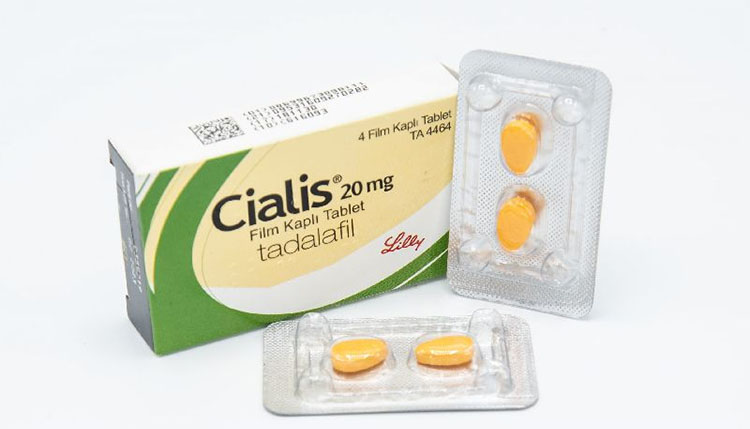
犀利士是一種口服藥物,常用於治療男性勃起功能障礙(ED)和攝護腺肥大症(BPH)等疾病。犀利士的優點如下:犀利士官網:https://www.usaciais.tw/
具有長效性

犀利士是一種長效的口服藥物,可在體內停留時間長達36小時。這意味著服用一次犀利士後,其可以持續發揮作用,使男性在36小時內隨時具備勃起能力,而不必每次都需要服用藥物。這一點使得犀利士成為了受歡迎的ED藥物之一,可以讓男性更加自然地維持勃起狀態。
起效速度快
雖然犀利士的作用時間長達36小時,但是它的起效速度很快,通常只需在性行為前一個小時內服用即可產生作用。這一點使得男性可以根據自己的需要進行用藥,增強了犀利士的靈活性。
用法彈性
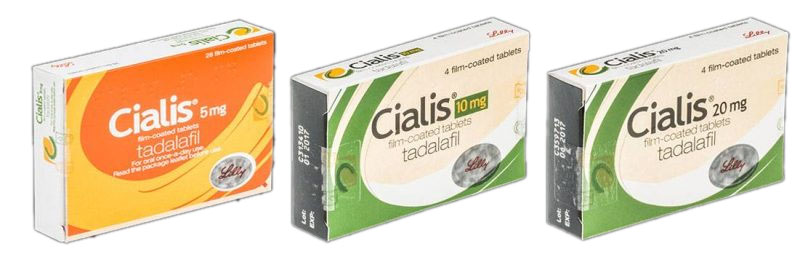
犀利士的用法比其他ED藥物更加靈活,可以在飯前或飯後服用,並不會因為食物的影響而降低療效,少量酒精也不會影響犀利士的藥效。此外,犀利士的用量也比其他ED藥物更加靈活,可以根據患者的需要進行調整。
安全性高
犀利士的安全性得到了臨床研究和實踐的證明。相較於其他ED藥物,犀利士的不良反應較少,且通常為輕微的頭痛、背痛等症狀。同時,犀利士對心血管系統的影響較小,對高血壓、高脂血症、糖尿病等患者也較為安全。
犀利士這款藥物具有長效性、快速起效、用法靈活、安全性高等優點,這些優點也是犀利士被廣泛應用和推薦的原因之一。
推薦犀利士的原因

犀利士這款藥物的優點包括長效性、快速起效、用法靈活、安全性高等。基於這些優點,犀利士被廣泛推薦作為治療ED的首選藥物。除此之外,犀利士也適用於治療攝護腺肥大症等疾病。下面將介紹一些具體的推薦犀利士的原因,幫助患者更好地瞭解這一藥物的作用和應用。
犀利士官網:https://www.usaciais.tw/
醫學界的推薦

犀利士在醫學界被廣泛推薦用於治療男性勃起功能障礙。美國食品和藥物管理局(FDA)已經批准犀利士作為治療ED和BPH的藥物。多項臨床研究表明,犀利士是一種有效和安全的治療ED的藥物。不少國際權威醫學組織如美國泌尿科醫師協會、歐洲泌尿科醫師協會等也推薦犀利士用於ED的治療。
臨床實踐證明的效果

犀利士的臨床實踐證明了它的良好效果。在一項大規模的研究中,將犀利士與安慰劑進行對比,結果表明,犀利士能夠顯著提高勃起硬度和持續時間,同時也提高了患者的生活品質。另外,有一項針對老年人的研究發現,犀利士對於年齡較大的患者也具有很好的療效。犀利士的效果已經得到了廣泛的認可,臨床實踐證明了它的可靠性和有效性。
犀利士官網:https://www.usaciais.tw/
患者回饋良好

許多患者使用犀利士後回饋良好。他們認為犀利士可以快速起效,持續時間長,作用穩定,勃起品質好,而且副作用相對較少。這些患者表示,犀利士對於他們的性生活和心理健康產生了積極的影響,提高了他們的生活品質。因此,犀利士在患者中得到了廣泛的應用和好評。
犀利士被醫學界廣泛推薦用於治療ED和BPH等疾病,臨床實踐證明了它的良好效果,同時患者的回饋也非常良好。這些原因也是犀利士被廣泛使用和推薦的主要原因。
哪些人群可以選擇服用犀利士?

犀利士主要用於治療男性勃起功能障礙(ED)和攝護腺肥大症(BPH)等疾病,但並不是所有人都適合服用這種藥物。以下是一些可以考慮選擇服用犀利士的人群:
患有輕度至中度的ED或BPH症狀的男性:犀利士可以幫助這些患者提高勃起品質,減輕尿頻、尿急、尿道不暢等症狀。
年齡較大的男性:隨著年齡的增長,男性的勃起功能和攝護腺功能可能會下降,犀利士可以幫助這些年長患者恢復勃起和尿道功能。
有心血管疾病但病情穩定的男性:犀利士可以在醫生的監督下,安全地應用於心血管疾病患者中。
無肝腎功能障礙的男性:肝腎功能不良的患者可能需要調整藥物劑量或避免使用犀利士。
文章總結
犀利士是一種非常有效的治療男性勃起功能障礙和攝護腺肥大症的藥物。其主要作用是放鬆陰莖海綿體內的血管,增加血流量,從而幫助男性獲得更強、更持久的勃起。
犀利士具有作用快、持續時間長、副作用少等優點,受到醫學界的推崇以及推薦,臨床實踐也證明了其良好的療效。同時,很多患者也對犀利士的效果給予了良好的回饋。但需要注意的是,犀利士並不是所有人都適合使用,不能與某些藥物一起使用,需要在醫師或藥師的指導下合理使用。
404 means the file is not found. If you have already uploaded the file then the name may be misspelled or it is in a different folder.
Other Possible Causes
You may get a 404 error for images because you have Hot Link Protection turned on and the domain is not on the list of authorized domains.
If you go to your temporary url (http://ip/~username/) and get this error, there maybe a problem with the rule set stored in an .htaccess file. You can try renaming that file to .htaccess-backup and refreshing the site to see if that resolves the issue.
It is also possible that you have inadvertently deleted your document root or the your account may need to be recreated. Either way, please contact your web host immediately.
Are you using WordPress? See the Section on 404 errors after clicking a link in WordPress.
How to find the correct spelling and folder
Missing or Broken Files
When you get a 404 error be sure to check the URL that you are attempting to use in your browser.This tells the server what resource it should attempt to request.
http://example.com/example/Example/help.html
In this example the file must be in public_html/example/Example/
Notice that the CaSe is important in this example. On platforms that enforce case-sensitivity example and Example are not the same locations.
For addon domains, the file must be in public_html/addondomain.com/example/Example/ and the names are case-sensitive.
Broken Image
When you have a missing image on your site you may see a box on your page with with a red X where the image is missing. Right click on the X and choose Properties. The properties will tell you the path and file name that cannot be found.
This varies by browser, if you do not see a box on your page with a red X try right clicking on the page, then select View Page Info, and goto the Media Tab.
http://example.com/cgi-sys/images/banner.PNG
In this example the image file must be in public_html/cgi-sys/images/
Notice that the CaSe is important in this example. On platforms that enforce case-sensitivity PNG and png are not the same locations.
404 Errors After Clicking WordPress Links
When working with WordPress, 404 Page Not Found errors can often occur when a new theme has been activated or when the rewrite rules in the .htaccess file have been altered.
When you encounter a 404 error in WordPress, you have two options for correcting it.
Option 1: Correct the Permalinks
- Log in to WordPress.
- From the left-hand navigation menu in WordPress, click Settings > Permalinks (Note the current setting. If you are using a custom structure, copy or save the custom structure somewhere.)
- Select Default.
- Click Save Settings.
- Change the settings back to the previous configuration (before you selected Default). Put the custom structure back if you had one.
- Click Save Settings.
This will reset the permalinks and fix the issue in many cases. If this doesn't work, you may need to edit your .htaccess file directly.
Option 2: Modify the .htaccess File
Add the following snippet of code to the top of your .htaccess file:
# BEGIN WordPress
<IfModule mod_rewrite.c>
RewriteEngine On
RewriteBase /
RewriteRule ^index.php$ - [L]
RewriteCond %{REQUEST_FILENAME} !-f
RewriteCond %{REQUEST_FILENAME} !-d
RewriteRule . /index.php [L]
</IfModule>
# End WordPress
If your blog is showing the wrong domain name in links, redirecting to another site, or is missing images and style, these are all usually related to the same problem: you have the wrong domain name configured in your WordPress blog.
How to modify your .htaccess file
The .htaccess file contains directives (instructions) that tell the server how to behave in certain scenarios and directly affect how your website functions.
Redirects and rewriting URLs are two very common directives found in a .htaccess file, and many scripts such as WordPress, Drupal, Joomla and Magento add directives to the .htaccess so those scripts can function.
It is possible that you may need to edit the .htaccess file at some point, for various reasons.This section covers how to edit the file in cPanel, but not what may need to be changed.(You may need to consult other articles and resources for that information.)
There are Many Ways to Edit a .htaccess File
- Edit the file on your computer and upload it to the server via FTP
- Use an FTP program's Edit Mode
- Use SSH and a text editor
- Use the File Manager in cPanel
The easiest way to edit a .htaccess file for most people is through the File Manager in cPanel.
How to Edit .htaccess files in cPanel's File Manager
Before you do anything, it is suggested that you backup your website so that you can revert back to a previous version if something goes wrong.
Open the File Manager
- Log into cPanel.
- In the Files section, click on the File Manager icon.
- Check the box for Document Root for and select the domain name you wish to access from the drop-down menu.
- Make sure Show Hidden Files (dotfiles)" is checked.
- Click Go. The File Manager will open in a new tab or window.
- Look for the .htaccess file in the list of files. You may need to scroll to find it.
To Edit the .htaccess File
- Right click on the .htaccess file and click Code Edit from the menu. Alternatively, you can click on the icon for the .htaccess file and then click on the Code Editor icon at the top of the page.
- A dialogue box may appear asking you about encoding. Just click Edit to continue. The editor will open in a new window.
- Edit the file as needed.
- Click Save Changes in the upper right hand corner when done. The changes will be saved.
- Test your website to make sure your changes were successfully saved. If not, correct the error or revert back to the previous version until your site works again.
- Once complete, you can click Close to close the File Manager window.